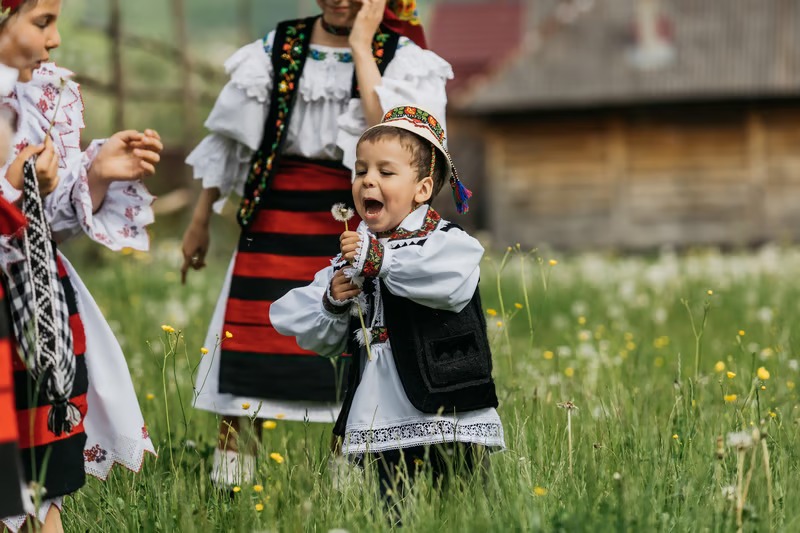
In a rapidly globalizing world, the significance of traditional folk celebrations cannot be overstated. These vibrant events serve as vital threads in the fabric of community heritage, allowing cultures to flourish and evolve while maintaining a connection to their roots. Traditional folk celebrations are not merely festive occasions; they embody the history, values, and identities of communities. This article explores why these celebrations are essential for preserving community heritage, illustrating their impact through real-life examples, expert insights, and research-backed data.
Understanding Community Heritage
Community heritage encompasses the shared traditions, values, and practices that define a group of people. It includes tangible elements like art, architecture, and artifacts, as well as intangible aspects like folklore, rituals, and traditions. Preserving community heritage is crucial for fostering a sense of identity and belonging among individuals, particularly in an era where globalization often leads to homogenization of cultures.
The Role of Traditional Folk Celebrations
Traditional folk celebrations are integral to community heritage for several reasons. They serve as platforms for cultural expression, promote social cohesion, and provide opportunities for education and transmission of knowledge across generations. These celebrations often reflect the unique characteristics of a community, showcasing its distinctiveness and richness.
Cultural Preservation Through Celebration
One of the primary functions of traditional folk celebrations is to preserve cultural heritage. These events allow communities to showcase their unique customs and traditions, ensuring they are passed down through generations.
Storytelling and Oral Traditions
Many folk celebrations incorporate storytelling and oral traditions, which are fundamental to preserving community heritage. Stories often convey moral lessons, historical events, and cultural values, serving as a means of education for younger generations.
Real-Life Example: The annual Storytelling Festival in Jonesborough, Tennessee, highlights the importance of oral traditions. This festival brings together storytellers from various backgrounds, allowing them to share tales that reflect the diverse heritage of their communities. Participants of all ages engage with these stories, fostering a sense of connection to their cultural roots.
Rituals and Customs
Rituals and customs embedded in folk celebrations often have deep historical significance. They may commemorate historical events, celebrate seasonal changes, or honor deities and ancestors. By participating in these rituals, community members reinforce their connection to their history and identity.
Expert Insight: Anthropologist Dr. Barbara Myerhoff emphasizes the importance of rituals in her work, stating, “Rituals are the way people express their identity and continuity. They help individuals connect to their community and its past.”
Preserving Languages and Dialects
Folk celebrations often highlight local languages and dialects, contributing to their preservation. Through songs, poetry, and performances, communities can keep their languages alive, which is essential for maintaining cultural identity.
Research-Backed Data: According to UNESCO, over 40% of the world’s languages are at risk of disappearing. Traditional folk celebrations can play a crucial role in language preservation by promoting their use within communities.
Building Community Through Cultural Events
Traditional folk celebrations not only preserve heritage but also foster community bonding. These events create opportunities for individuals to come together, strengthening social ties and promoting a sense of belonging.
Social Cohesion and Inclusivity
Folk celebrations often involve the entire community, regardless of age, background, or social status. This inclusivity fosters social cohesion, bringing people together to celebrate shared traditions and values.
Real-Life Example: The Midsummer Festival in Sweden is a prime example of a traditional celebration that unites communities. Families and friends gather to dance around the maypole, indulge in traditional foods, and engage in various activities. This event creates a strong sense of togetherness, reinforcing community bonds.
Opportunities for Collaboration
Traditional folk celebrations often involve collaboration among community members, whether in organizing the event, preparing food, or performing. This collaboration fosters teamwork and strengthens relationships, further enhancing social cohesion.
Expert Insight: Sociologist Dr. Richard Sennett notes, “Collaborative activities that bring people together can foster social bonds, create trust, and enhance community resilience.”
Revitalizing Local Economies
Folk celebrations can also have a positive economic impact on local communities. By attracting visitors and tourists, these events can stimulate local businesses and create job opportunities.
Research-Backed Data: According to a study by the National Endowment for the Arts, cultural events can significantly contribute to local economies, generating revenue through tourism, hospitality, and retail.
Educational Value of Folk Celebrations
Traditional folk celebrations provide valuable educational opportunities for individuals of all ages. They serve as platforms for learning about cultural heritage, history, and traditions.
Intergenerational Learning
Folk celebrations often facilitate intergenerational learning, where older generations share their knowledge and experiences with younger community members. This transfer of knowledge is crucial for preserving traditions and fostering a sense of identity.
Real-Life Example: The Dia de los Muertos (Day of the Dead) celebration in Mexico is a poignant example of intergenerational learning. Families create altars to honor deceased loved ones, sharing stories and memories that teach younger generations about their ancestors and cultural practices.
Cultural Workshops and Demonstrations
Many folk celebrations include workshops and demonstrations, allowing participants to learn traditional crafts, music, and dance. This hands-on experience enhances understanding and appreciation of cultural practices.
Expert Insight: Cultural anthropologist Dr. Ana M. L. Caudillo states, “Workshops and demonstrations during folk celebrations offer immersive experiences that deepen participants’ understanding of cultural heritage.”
Challenges to Preserving Traditional Folk Celebrations
Despite their importance, traditional folk celebrations face several challenges in today’s world. Globalization, urbanization, and changing societal values can threaten the continuity of these cherished events.
Globalization and Cultural Homogenization
As cultures become more interconnected, there is a risk of cultural homogenization, where unique traditions and practices are overshadowed by global trends. Traditional folk celebrations may struggle to attract younger generations who are influenced by popular culture.
Urbanization and Displacement
Urbanization can lead to the displacement of communities, making it difficult to maintain traditional celebrations. As people move to urban areas, there is often a loss of connection to cultural roots and practices.
Research-Backed Data: A report by the United Nations indicates that by 2050, nearly 68% of the world’s population will live in urban areas, posing challenges for community heritage preservation.
Changing Societal Values
Shifts in societal values and lifestyles can also impact traditional folk celebrations. As communities evolve, some traditions may be viewed as outdated or irrelevant, leading to a decline in participation.
Revitalizing Traditional Folk Celebrations
To ensure the preservation of traditional folk celebrations, communities must adapt and innovate while staying true to their roots. Here are some strategies to revitalize these essential cultural events.
Engaging Younger Generations
Involving younger generations in the planning and execution of folk celebrations can help ensure their continuity. By encouraging youth participation, communities can foster a sense of ownership and pride in their heritage.
Real-Life Example: The Luminaria Festival in Santa Fe, New Mexico, engages local youth in creating traditional luminarias (paper lanterns) for the event. This hands-on involvement instills a sense of pride and connection to cultural traditions.
Utilizing Technology
Incorporating technology into traditional celebrations can attract a wider audience and enhance engagement. Social media, live streaming, and virtual events can help showcase folk celebrations to those who cannot attend in person.
Expert Insight: Cultural strategist Dr. Emily K. Haxworth emphasizes, “Leveraging technology can help preserve and promote cultural heritage in innovative ways, reaching new audiences and fostering engagement.”
Collaborating with Local Institutions
Collaborating with schools, museums, and cultural organizations can enhance the visibility and impact of traditional folk celebrations. These partnerships can provide resources, funding, and expertise to support event planning and execution.
Emphasizing Inclusivity and Diversity
Ensuring that traditional folk celebrations are inclusive and reflect the diversity of the community can help strengthen participation and support. By embracing various cultural expressions, communities can create richer and more meaningful celebrations.
Conclusion
Traditional folk celebrations are essential for preserving community heritage, serving as vital platforms for cultural expression, education, and social cohesion. These events foster a sense of belonging and identity, allowing communities to connect with their roots while adapting to the modern world.
As we navigate the challenges posed by globalization and changing societal values, it is crucial to revitalize and innovate these celebrations, ensuring that they continue to thrive for future generations. By engaging younger generations, leveraging technology, and emphasizing inclusivity, communities can preserve their heritage and celebrate the rich tapestry of cultural events that define them.
Frequently Asked Questions (FAQs)
Why are traditional folk celebrations important?
Traditional folk celebrations are essential for preserving community heritage, fostering social cohesion, and providing educational opportunities about cultural practices.
How can communities revitalize folk celebrations?
Communities can revitalize folk celebrations by engaging younger generations, incorporating technology, collaborating with local institutions, and promoting inclusivity.
What role do folk celebrations play in cultural education?
Folk celebrations facilitate intergenerational learning and provide hands-on experiences, allowing individuals to explore and appreciate cultural heritage.